
Views: 0 Author: Site Editor Publish Time: 2026-07-20 Origin: Site


Think of a commercial truck transmission. You cannot view it as just moving metal parts. Instead, look closely at the control center. The Gearbox Valve serves as this critical hub. It directly dictates fleet uptime. It ensures strong fuel efficiency. It also preserves powertrain longevity over millions of miles. Fluid dynamics play a massive role here. Hydraulic pressure regulation determines every gear shift. Under heavy payloads, precision matters even more. A slight drop in pressure causes harsh shifts. These rough transitions damage clutch plates quickly.
You must understand how this system operates. Selecting the right components takes careful effort. Diagnosing problems early prevents catastrophic failure. Replacing a unit requires evaluating specific operational tolerances. You must consider exact component types. You must also face long-term maintenance realities head-on. Proper insight gives your fleet a distinct reliability advantage. We will explore these core functions below. You will learn to evaluate part quality. You will also discover how to diagnose shifting issues before they sideline your vehicles.
Gearbox valves act as the hydraulic "brain" of the transmission, directing transmission fluid to execute precise gear shifts under varying load conditions.
Commercial truck applications require specialized valves (e.g., high-pressure solenoids, heavy-duty manual valves) that drastically differ from passenger vehicle standards.
Evaluating replacement valves requires verifying thermal resistance, material durability (e.g., anodized aluminum), and OEM-level flow testing.
Proactive diagnosis of valve body wear prevents catastrophic transmission failure and minimizes unscheduled fleet downtime.
Inefficient power delivery hurts your bottom line. Delayed shifts waste valuable fuel. A failing valve struggles to maintain proper hydraulic pressure. This failure forces the engine to rev higher than necessary. It also causes excessive wear on clutch bands. Fleet operators face massive repair bills when they ignore these initial symptoms. The valve body must operate flawlessly. It represents the crucial link between engine power and the drive wheels.
Hydraulic routing requires absolute precision. The valve directs pressurized Automatic Transmission Fluid (ATF). It sends this fluid to specific clutch packs and servos. Each channel inside the valve body corresponds to a specific gear ratio. When a valve opens, fluid rushes into the designated circuit. It engages the correct clutch pack instantly. If internal scoring creates a pressure leak, the fluid bypasses the intended route. This creates dangerous slippage.
Shift timing depends heavily on load management. Valves adjust shift points constantly. They monitor throttle position. They calculate vehicle weight. They also measure engine load. Heavy-duty commercial operations demand this adaptability. An empty trailer requires entirely different shift points than a fully loaded one. The valve mechanism processes these physical and electronic inputs. It executes the shift at the exact right millisecond.
Proper fluid routing also handles thermal management. Friction inside the transmission generates intense heat. The valve body circulates ATF continuously. It moves fluid away from high-friction clutch plates. It pushes hot fluid toward the transmission cooler. Poor routing traps heat. This causes localized overheating within the transmission casing. Over time, extreme heat degrades the fluid. It destroys internal seals and causes complete mechanical failure.
Monitor your transmission fluid temperatures during steep grade ascents.
Conduct regular oil sample analyses to detect early signs of clutch wear.
Train drivers to report hard shifts or delayed engagements immediately.
Ignoring minor fluid leaks around the transmission pan casing.
Using an incorrect ATF grade. This alters hydraulic pressure properties.
Resetting transmission codes without physically inspecting the fluid condition.
Commercial transmissions rely on several distinct valve categories. Each type serves a highly specialized purpose. They work together inside the complex maze of the valve body. Understanding these categories helps you pinpoint exact failure points during diagnostics.
The manual valve links directly to the gear selector in the cabin. When a driver shifts from Park to Drive, a physical linkage moves this valve. It opens the primary fluid circuits. This allows fluid to reach the rest of the transmission components.
Evaluation Note: Look for mechanical linkage durability. The valve must resist sticking under high-debris conditions. Poorly machined manual valves easily jam. This traps the vehicle in a single gear.
Shift valves execute the physical gear changes. They operate via fluid pressure differentials. As vehicle speed increases, governor pressure overcomes spring tension on the spool valve. The valve slides forward. It opens a new channel for the ATF to engage the next gear.
Evaluation Note: Precision machining is absolutely critical here. Microscopic scoring on the spool valve surface leads to pressure leaks. These leaks cause shift flaring. Shift flaring occurs when engine RPM spikes wildly between gear changes.
Modern Automated Manual Transmissions (AMTs) rely heavily on electronic solenoid valves. The Transmission Control Unit (TCU) controls them directly. They use electromagnetic coils to open and close fluid circuits instantly. This provides incredibly precise control over heavy-duty automatics.
Evaluation Note: Assess these components based on electromagnetic coil longevity. You must measure their response time in milliseconds. You also need to verify their thermal degradation limits. High heat easily destroys cheap solenoid wiring.
Pumps generate massive hydraulic force. Pressure relief valves manage this intense energy. They prevent hydraulic over-pressurization. Without them, sudden pressure spikes would blow internal seals entirely. They ensure the system maintains a safe, consistent operating pressure.
Evaluation Note: These valves must feature high-grade fatigue-resistant springs. A weak spring opens too early. It causes low line pressure. This leads directly to slipping clutches and poor vehicle acceleration.
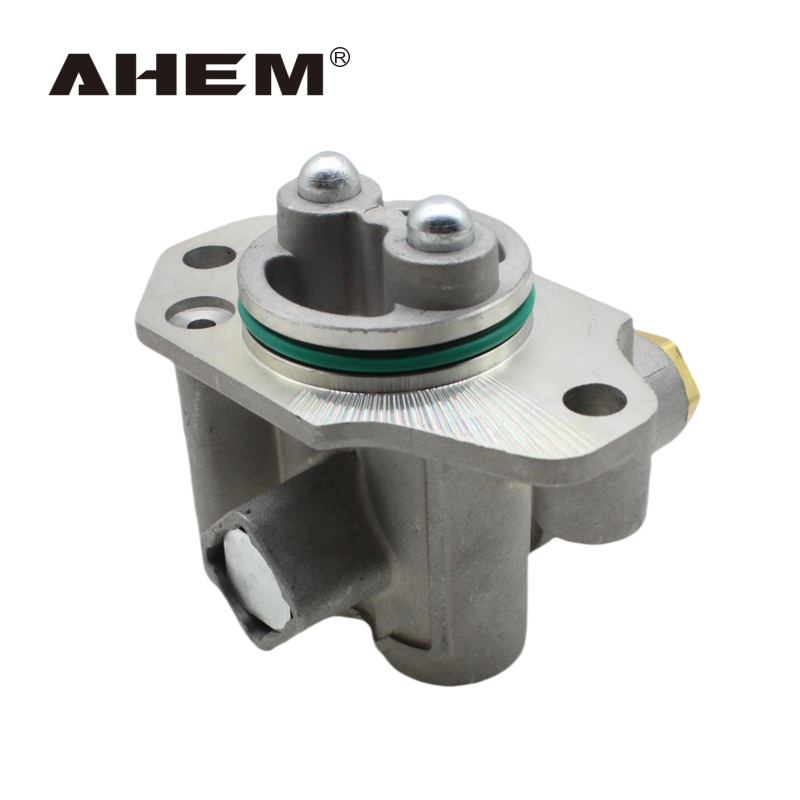
Heavy-duty trucking punishes mechanical components. Gearbox valves face extreme environments daily. They must manage incredible hydraulic pressures. A truck weighing 80,000 pounds requires massive force to move from a dead stop. The valve body directs maximum line pressure to the first gear clutch packs. Any pressure loss here leaves the truck stranded. It simply cannot overcome inertia.
Varying terrain demands complex grade logic. Solenoid valves must deliver rapid responses. Maintaining momentum during steep inclines requires perfectly timed downshifts. If the shift delays by half a second, the truck loses valuable speed. Similarly, downgrades require immediate engagement of engine braking. The transmission must hold a lower gear securely. The valves keep the fluid locked in the right circuit. This prevents the truck from entering a dangerous free-fall.
Wear-and-tear patterns differ vastly between routes. Stop-and-go urban freight creates specific challenges. Long-haul routes generate entirely different stress profiles. Urban applications demand high-cycle fatigue resistance. The transmission shifts thousands of times per day. Long-haul trucking requires sustained high-temperature endurance. The transmission stays in high gear for hours. It generates continuous thermal stress.
Application Wear Patterns
Application Type | Primary Stress Factor | Typical Valve Failure Mode | Crucial Design Requirement |
|---|---|---|---|
Urban Freight (Stop-and-Go) | High Shift Frequency | Mechanical Spring Fatigue | High-Cycle Wear Resistance |
Long-Haul Highway | Sustained Thermal Load | Fluid Degradation & Sticking | Advanced Thermal Dissipation |
Heavy Vocational (Dump/Logging) | Extreme Torque Shock | Bore Scoring from Debris | Hard-Anodized Surface Treatments |
Sourcing replacement parts requires strict standards. Procurement officers and fleet mechanics need clear criteria. You cannot afford to install subpar components. A failed replacement leads to immediate downtime. It also damages the rest of the transmission.
Valve bores wear out over time. You must demand hard-anodized aluminum. Reinforced alloys also perform exceptionally well. These materials resist friction damage. They extend the life of the valve body significantly. You must also verify tight clearance tolerances. Loose clearances allow fluid bleed-over. Bleed-over causes two gears to engage simultaneously. This binds the transmission and breaks hard parts instantly.
Aftermarket valves often provide notable cost savings. However, you must evaluate them carefully. They must carry transparent documentation. Look for documented dyno testing. Demand flow-bench testing results. Avoid any components lacking pressure-test certifications. OEM parts guarantee fitment. High-quality aftermarket parts often improve upon OEM flaws. But cheap aftermarket parts invite disaster. Balance your budget with verified engineering standards.
Modern trucks use sophisticated electronics. Electronic solenoids must match exact specifications. Verify the required voltage. Confirm the specific impedance (measured in ohms). The truck's Transmission Control Unit expects exact resistance values. If the new solenoid differs slightly, the TCU detects a fault. It immediately triggers "limp mode". Limp mode locks the truck in a single gear to prevent damage.
Your supplier relationship matters immensely. Prioritize suppliers offering comprehensive warranties. Seek out companies providing accessible technical support. Calibration processes often require expert guidance. Learn more about us to understand how a dedicated supplier supports your fleet operations long after the initial purchase.
Ignoring early warning signs guarantees failure. Valve body repairs demand immediate attention. Many fleets try to delay maintenance. They push the transmission until it breaks completely. This approach multiplies repair costs exponentially. A simple valve replacement turns into a complete transmission rebuild. You must establish strict diagnostic protocols.
Recognizing failure symptoms requires vigilance. Drivers usually notice problems first. Pinpoint specific indicators quickly. Harsh shifting, often described as heavy clunking, signals pressure spikes. Gear slipping under heavy load indicates severe pressure loss. Delayed engagement occurs when shifting into Drive takes several seconds. Illuminated transmission warning lights mean the TCU has detected a measurable fault. Never ignore these dashboard warnings.
Implement systemic diagnostic protocols. Mechanics should follow a strict evaluation path. Guessing wastes labor hours.
Scan TCU Error Codes: Retrieve specific fault data. This narrows down the problem to a particular solenoid or circuit.
Perform Fluid Condition Checks: Inspect the ATF visually. Smell it. Burnt, black fluid indicates severe internal friction. Metal shavings in the pan indicate hard part failure.
Execute Hydraulic Pressure Testing: Attach mechanical gauges to test ports. Compare actual line pressure against factory specifications. Low pressure usually confirms a valve body leak.
Mechanics face difficult repair economics. You must decide whether to rebuild or replace. Rebuilding involves sleeving worn bores. It requires specialized machining tools. It also demands high-level expertise. Rebuilding saves parts costs but increases labor hours significantly. Installing a completely remanufactured unit saves time. A new unit guarantees factory tolerances. Fleets must calculate bay time. Faster turnarounds often justify the higher cost of a pre-assembled unit. Minimizing unscheduled downtime remains the ultimate goal.
The gearbox valve functions as the central nervous system of your transmission. It represents a critical investment in commercial fleet reliability. It is never just a commodity part. Precision fluid routing determines how efficiently your trucks operate. Upgrading to high-tolerance materials prevents premature failures. It directly protects your clutch packs from devastating wear.
Take immediate action to protect your fleet. Audit your current transmission maintenance schedules today. Review diagnostic logs for any recurring shift anomalies. Investigate driver complaints regarding harsh engagements. Partner with certified suppliers. Source components that meet strict testing standards. Proactive maintenance always costs less than catastrophic failure. Treat your valve bodies with the attention they demand.
A: Fluid contamination stands as the primary cause. Debris scores the internal bores, causing pressure leaks. Heat degradation also breaks down automatic transmission fluid, reducing its lubricating properties. Additionally, high-cycle mechanical wear fatigues internal springs, preventing valves from returning to their resting positions.
A: You can usually replace an isolated electronic solenoid if the failure is purely electrical. However, if the transmission suffers from systemic bore wear or heavy debris contamination, replacing a single solenoid will not fix the underlying pressure leaks. A full valve body replacement becomes necessary.
A: Severe-duty commercial applications typically require fluid and filter changes every 30,000 to 50,000 miles. Vocational trucks experiencing constant stop-and-go traffic or extreme payloads may need changes closer to the 30,000-mile mark. Always consult the OEM manual for specific synthetic fluid requirements.
A: Heavy-duty truck valve bodies are significantly larger. They handle a massive fluid volume capacity. They operate at much higher hydraulic pressures to engage heavy clutch packs. Furthermore, they feature larger thermal mass to dissipate the extreme heat generated by moving 80,000-pound payloads.
