
Views: 0 Author: Site Editor Publish Time: 2026-09-10 Origin: Site


Fleet maintenance budgets usually prioritize engines and tires. Pneumatic systems rarely receive the same financial attention during annual planning. This common oversight leaves a primary defense mechanism completely ignored. Heavy vehicles rely on a crucial safeguard against moisture, oil aerosol, and particulate contamination. We are talking about the truck air dryer. It actively purges harmful elements from compressed air before they reach sensitive valves. Without it, entire brake networks remain vulnerable to catastrophic failure and sudden roadside breakdowns.
Our goal here is clear. We want to provide fleet managers and owner-operators an evidence-based framework. You will learn how to evaluate, specify, and maintain these essential components effectively. Doing so helps minimize costly pneumatic downtime across your heavy-duty vehicles. Implementing these standards ensures consistent stopping power and protects your bottom line.
Neglected truck air dryers are a leading root cause of preventable winter brake failures and premature pneumatic valve degradation.
Upgrading from standard desiccant to coalescing filter technology provides measurable ROI by capturing oil blow-by from aging compressors.
Proactive replacement based on duty cycles and seasonal shifts (rather than running to failure) drastically reduces unscheduled roadside maintenance.
Selecting the right air dryer requires balancing initial component cost against long-term fleet standardization and OEM compliance standards.
A failed air dryer costs far more than the replacement part itself. When we look beyond the initial component price, system-wide consequences quickly become apparent. A compromised unit allows moisture to enter the air tanks unchecked. This moisture travels rapidly through the entire pneumatic network. During extreme winter conditions, especially in regions like the Midwest, this water freezes solid. Frozen air lines instantly paralyze a vehicle. You cannot move a truck if the brakes will not release. Unscheduled roadside service calls easily run into thousands of dollars. Lost delivery windows further compound these steep financial penalties.
Oil blow-by causes equally severe downstream damage. Aging compressors naturally pass small amounts of oil mist into the air stream. If the dryer fails to catch this mist, it coats internal system components. Oil aggressively attacks and deteriorates the rubber seals found inside ABS modules and brake valves. These precision valves rely on clean, dry air to function correctly. When seals swell and degrade, air leaks develop instantly. Eventually, the entire valve fails completely. Replacing an ABS modulator valve represents a complex, expensive repair job. We can trace most of these premature valve failures back to poor air quality.
How do we define a successful air system strategy? It requires strict, measurable outcomes. First, you must achieve zero water accumulation in your secondary reservoirs. If you open a wet tank drain valve and see water, your strategy is failing. Second, a successful approach eliminates winter freeze-up downtime completely. By keeping moisture out, you keep the trucks moving reliably. Maintaining a pristine air supply prevents premature wear and keeps your fleet profitable.
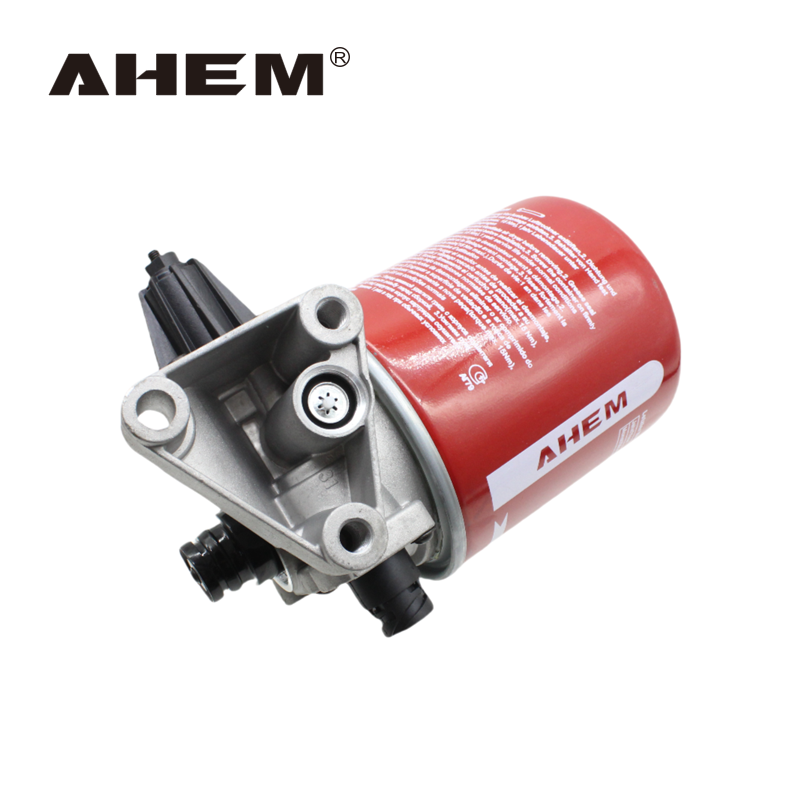
Industry professionals categorize modern air dryers into two primary technical groups. You must choose between standard desiccant systems and advanced coalescing technology. Understanding the difference prevents mismatched applications. Making the right choice extends the life of your pneumatic network.
Standard desiccant systems represent the traditional baseline approach. They focus entirely on moisture removal. Inside the cartridge, porous beads absorb water vapor as air passes through. They do an excellent job keeping water out of the lines. However, they cannot stop oil mist. Standard desiccant units work best for older, lower-duty-cycle vehicles. They also suit fleets operating on strict, low-cost replacement intervals. If you replace cartridges frequently on local delivery trucks, standard desiccant might suffice for your basic needs.
Coalescing technology serves as the modern industry standard. We highly recommend this approach for most commercial fleets today. Coalescing filters feature specialized layers wrapped around the desiccant core. These layers actively strip both moisture and oil aerosols from the air stream. The filter media forces microscopic oil droplets to merge or coalesce into larger drops. The system then safely purges them out into the atmosphere.
We can connect coalescing technology directly to positive outcomes. First, it significantly extends compressor life by reducing backpressure. Second, it protects highly sensitive automated manual transmission (AMT) pneumatics. AMTs use complex solenoid valves to shift gears smoothly. Oil contamination destroys these precision valves rapidly. A high-quality Truck Air Dryer equipped with coalescing media prevents this exact scenario.
We must state one transparent assumption regarding coalescing filters. These cartridges cost more upfront than standard versions. Additionally, they cannot reverse existing system contamination. If your lines already contain oil, a new filter will not clean them out. You must perform a proper baseline system cleaning during installation. Only then will you realize the maximum long-term benefits.
Table: Technology Comparison Summary
Feature | Standard Desiccant | Coalescing Technology |
|---|---|---|
Primary Function | Moisture removal only | Moisture and oil aerosol removal |
Best Suited For | Older trucks, low-duty cycles | Modern fleets, AMT-equipped trucks |
Initial Cost | Lower | Higher |
Downstream Protection | Basic protection against freezing | Comprehensive valve and seal protection |
Specifying the right equipment requires a careful evaluation of several dimensions. You cannot apply a universal approach to every vehicle. Consider these critical evaluation dimensions before purchasing replacement parts.
Duty Cycle and Air Consumption: Vehicle application directly dictates the required desiccant capacity. A long-haul truck uses brakes infrequently. It requires a standard purge volume. Conversely, frequent-stop refuse trucks consume massive amounts of air daily. They need a heavy-duty Truck Air Dryer designed for high-capacity moisture removal. You must match the unit's purge volume to your specific operational duty cycle. Failing to do so causes rapid cartridge saturation.
Purge Valve Reliability and Heater Function: Cold-weather operation demands robust internal heaters. Thermostatically controlled heaters prevent the purge valve from freezing shut in sub-zero temperatures. We must assess the historical failure rates of these valves. A stuck purge valve leads to rapid air loss or dangerous over-pressurization. Look for units boasting proven, heavy-duty heater assemblies.
Compliance and Safety Standards: Safety compliance remains strictly non-negotiable. Federal Motor Vehicle Safety Standards (FMVSS 121) mandate specific performance metrics. They regulate specific air compressor build-up times. For example, systems must build pressure from 85 to 100 PSI within a designated window. They also regulate minimum reservoir pressures. A restrictive or clogged dryer violates these safety guidelines directly. If the desiccant cartridge blocks airflow, the compressor cannot fill the tanks fast enough. This delay creates an immediate roadside out-of-service violation.
Scalability: Standardizing components reduces inventory complexity dramatically. Assess the viability of standardizing one specific air dryer model across a mixed fleet. Standardizing cartridge types means your mechanics spend less time searching for parts. It simplifies training and speeds up routine maintenance tasks in the shop.
Many fleets fall into the trap of running equipment until it fails completely. You must learn to recognize the point of no return. We rely on evidence-oriented signals to determine when a component is actively failing.
Look for undeniable symptoms of failure. Constant compressor cycling serves as a primary warning sign. If the compressor rarely rests, the system is leaking or the dryer is clogged. Water pooling in the wet tank during daily drains provides another clear signal. A healthy system keeps the wet tank bone dry. Slow system pressure build-up also indicates severe restriction inside the desiccant bed. Do not ignore these critical warnings.
Should you replace the cartridge or the complete assembly? We use a simple decision matrix to guide this maintenance choice.
Spin-on Cartridge Replacement: Choose this option when the housing remains structurally intact. Use it when the purge valve and heater function perfectly. This applies mostly during scheduled, routine maintenance intervals.
Full Assembly Replacement: Choose this option when the purge valve sticks repeatedly. Replace the whole unit if the housing shows severe corrosion. Replace it if the heater element shorts out entirely. A compromised housing cannot hold high pressure safely.
We must discuss vital risk mitigation. Some operators attempt to bypass an air dryer during a roadside emergency. We strongly advise against this hazardous practice. Bypassing introduces an immediate risk of total system contamination. Water and oil will instantly flood the air lines. This moisture will destroy sensitive brake modulators and safety valves almost immediately. The cost of replacing an entire ABS network far exceeds the price of a proper tow.
Implementing a successful pneumatic protection strategy requires planning and discipline. We recommend scheduling comprehensive maintenance in early Autumn. Preparing your fleet before October helps preempt severe winter weather. Do not wait until the first freeze to service your critical equipment.
You must establish standard operating procedures (SOPs) for your maintenance teams. First, mandate daily tank draining protocols. Treat the manual drain valve as a diagnostic tool rather than a chore. If a driver finds water, flag the truck for immediate shop inspection. Second, implement strict mileage or hours-based cartridge replacement. Do not wait for failure. Replace standard desiccant every year. Replace high-capacity coalescing filters according to the manufacturer's heavy-duty schedule.
When selecting replacement parts, apply logical shortlisting criteria. You must choose between OEM genuine parts and premium aftermarket alternatives. OEM parts offer the highest reliability guarantee. They also maintain strict warranty compliance for newer trucks. Premium aftermarket options provide excellent cost-efficiency at scale for older fleets. Ensure any aftermarket choice meets or exceeds OEM flow and pressure specifications.
We encourage fleet managers to take immediate next-step actions. Audit your current wet tanks for moisture and oil this week. Check every truck currently parked in the yard. Then, consult with a pneumatic specialist. Ask them for a fleet-wide cartridge upgrade quote. Proactive assessment prevents incredibly costly winter downtime.
A commercial vehicle's air dryer is never a fit-and-forget commodity. It serves as a vital risk-management asset for your entire operation. Ignoring this component invites systemic failure across your intricate pneumatic network. You cannot afford to let moisture and oil compromise your braking capabilities.
Proactive investment in high-quality coalescing filters yields undeniable financial returns. Strict replacement intervals keep your trucks out of the repair shop. They keep your drivers on the road generating revenue. You protect sensitive valves, extend compressor life, and ensure strict regulatory compliance consistently.
Take action today to safeguard your fleet. Review your current product specifications carefully. Cross-reference them with your specific vehicle duty cycles. Download a seasonal maintenance checklist to guide your technicians. Finally, contact your trusted sales and service team to evaluate your fleet's overall air system health.
A: Industry standards dictate replacing the cartridge every one to two years, depending strictly on the vehicle's duty cycle. Standard line-haul trucks typically require annual replacement. However, vehicles in severe vocational use consume more air. These heavy-duty applications often demand replacement every six months to ensure maximum moisture removal.
A: Yes, you can easily upgrade most systems. Many modern standard housings readily accept coalescing spin-on cartridges without modifications. You simply remove the standard desiccant filter and thread on the coalescing version. Always verify thread pitch and housing compatibility with your parts supplier to ensure a leak-free seal.
A: Frequent purging usually indicates an underlying pneumatic issue rather than a dryer defect. Common culprits include severe air system leaks forcing the compressor to work overtime. A faulty governor can also trigger erratic cycling. Finally, a saturated desiccant bed restricts airflow, causing rapid pressure fluctuations that trigger constant purge cycles.
A: No. Bypassing is incredibly dangerous and violates safety compliance directly. Doing so allows raw moisture, oil, and carbon directly into the brake network. This contamination causes immediate, irreversible damage to sensitive brake modulators, ABS components, and safety valves. You risk sudden brake failure by running bypassed air lines.
