
Views: 0 Author: Site Editor Publish Time: 2026-07-26 Origin: Site


Commercial truck downtime drains fleet profits at an alarming rate. A failing gearbox component frequently triggers this expensive reality. It causes erratic shifting, excessive overheating, and eventually catastrophic transmission failure. Selecting a proper replacement requires serious technical evaluation. Fleet operators cannot simply match a basic part number on a diagram. You must align component specifications to the truck's daily load demands. Buyers must also consider harsh operating environments and specific transmission types. Ignoring these operational realities guarantees premature wear and repeat breakdowns.
We provide a realistic, evidence-based framework for thoroughly evaluating replacement options. You will learn how to accurately assess different component categories. We also explain how to identify highly reputable suppliers in the heavy-duty market. This comprehensive guide helps fleet managers and owner-operators make durable decisions. You will keep your trucks on the road longer.
You must frame the business problem before purchasing replacement parts. Evaluate why the current unit failed. Did it suffer from natural high-mileage wear? Did poor fluid maintenance accelerate the damage? Perhaps the factory unit was under-specced for your truck's daily operational load. Understanding the root cause prevents repeating the exact same failure. A heavy-duty logging truck destroys standard highway components rapidly.
Thorough failure symptom verification remains absolutely essential. You must confirm the hydraulic control center actually failed. Technicians often misdiagnose worn clutch packs as hydraulic issues. Ensure you experience specific failure indicators. Look for the following common symptoms:
Consider upgrading for heavy-duty use when factory specifications fall short. Trucks managing high torque capacities need enhanced hydraulic control. Logging, construction, and heavy towing applications push transmissions to their absolute limits. These vehicles benefit greatly from recalibrated hydraulic circuits. Upgraded units provide higher line pressures. They deliver much firmer shifts. This firmer engagement significantly reduces internal clutch slippage. Less slippage directly translates to lower transmission temperatures and longer lifespan.
Buyers generally choose between three main categories. Each option carries specific financial and operational implications. Original Equipment Manufacturer (OEM) parts represent the factory standard. They offer guaranteed baseline compatibility. Fleet managers appreciate their predictable lifespan. However, OEM parts are often the most expensive option on the market. Furthermore, they retain any inherent factory design flaws. If the original design suffered from weak bore materials, the new OEM part shares this exact weakness.
Remanufactured or rebuilt units offer a highly cost-effective alternative. Top-tier rebuilders do more than just clean old parts. They actively correct known factory defects. They sleeve worn aluminum bores using hardened materials. They frequently upgrade spring materials to prevent fatigue. This process often yields a superior component. Unfortunately, quality varies wildly among different rebuilders. You must strictly scrutinize their testing processes.
Specialized applications sometimes require choosing between manual and automatic configurations. Automatic setups represent the standard for modern commercial fleets. They optimize fuel economy and reduce driver fatigue. However, extreme custom or off-road heavy builds sometimes utilize manual configurations. These specialized setups provide mandatory driver-controlled gear holding. They excel in severe environments requiring absolute mechanical control.
The comparison chart below highlights the primary differences across these component categories.
| Category | Initial Cost | Durability & Upgrades | Best Application |
|---|---|---|---|
| OEM (Factory) | Highest | Standard factory specs; retains original flaws. | Strict warranty compliance and standard highway hauling. |
| Premium Remanufactured | Moderate | High; fixes factory flaws via sleeved bores and new springs. | Working trucks, heavy towing, and cost-conscious fleets. |
| Budget Rebuilt | Lowest | Low; often just cleaned without addressing internal wear. | Short-term fixes before vehicle liquidation. |
| Manual/Custom | Variable | Extreme durability; manual gear holding capability. | Off-road logging, mining, and extreme heavy-duty builds. |
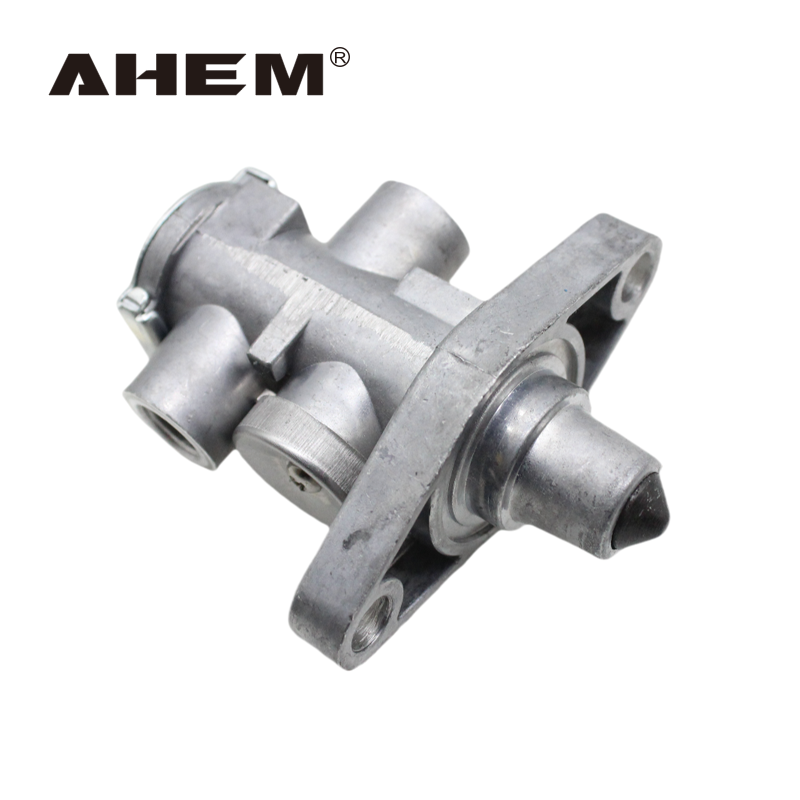
Material quality dictates component longevity. Hydraulic fluid flows under extreme pressure. Standard cast aluminum bores wear out quickly under these conditions. Steel valves repeatedly scrape against the softer aluminum. This creates internal leaks. Look for evidence of upgraded materials. Anodized billet aluminum resists wear much better in high-stress areas. Top manufacturers install oversized valves. These larger components restore precise hydraulic integrity. They ensure fluid reaches clutch packs instantly.
Hydraulic calibration serves as another critical evaluation dimension. You must assess fluid pressure routing. Ensure the supplier calibrates the unit for your specific gross vehicle weight rating (GVWR). A heavy delivery step-van requires different fluid dynamics than an empty flatbed. Proper calibration prevents the engine from overpowering the transmission clutches. A properly matched Gearbox Valve prevents premature friction material failure.
Solenoid reliability makes or breaks the installation. Solenoids act as the electrical switches controlling fluid flow. They suffer heavily from heat-soak degradation over time. Their internal copper coils break down from constant temperature cycling. Ensure your purchased unit includes brand new solenoids. The supplier must test each electrical component individually. Re-used electrical components fail unpredictably. They will leave your drivers stranded despite perfect mechanical bores.
Finally, verify transmission control module (TCM) compatibility. Modern trucks rely entirely on software. The mechanical components must handshake correctly with existing truck software. Proprietary reprogramming costs fleets thousands of dollars in diagnostic fees. Confirm seamless integration before ordering. The supplier should guarantee direct electronic compatibility.
You cannot trust unverified suppliers in the commercial trucking industry. Strict testing protocols separate professional builders from amateurs. Only shortlist suppliers providing solid proof of computerized dynamometer testing. A dyno machine simulates real-world operating temperatures and pressures. It cycles the component through every single gear. This rigorous testing catches internal cross-leaks prior to shipping. Do not buy parts tested only with compressed air.
Core charge transparency significantly impacts your final budget. Evaluate the financial mechanics carefully before purchasing. Rebuilders require your old unit to maintain their inventory. They enforce this through a core charge. Clarify their exact core return policy upfront. Ask about acceptable core conditions. Some companies reject cores featuring cracked housings or fire damage. Confirm their exact timeline for processing refunds. Delayed core refunds hurt your monthly cash flow.
Always scrutinize warranty realities and fine print. A trustworthy warranty covers actual commercial use. Many cheap suppliers void warranties for vehicles exceeding standard GVWR limits. This renders the warranty useless for working fleets. Check for labor claim limitations. If the part fails post-installation, who pays the mechanic to remove it? Reputable suppliers clearly define their labor compensation rates. Taking time to read an about us page often reveals a company's dedication to post-sale warranty support.
Successful procurement means nothing without proper installation. System contamination risks represent the highest hurdle. Installing a pristine hydraulic control unit into a dirty transmission guarantees failure. Old fluid carries suspended metal shavings and friction material. A clogged cooler holds trapped debris. This debris breaks loose during test drives. It flows directly into the new component. The new valves will jam instantly. Rigorous system flushing remains entirely non-negotiable.
Precision installation prevents external pressure loss. Mechanics must follow exact manufacturer torque sequences. Uneven bolt tightening warps the aluminum housing. A warped housing allows pressurized fluid to escape between internal channels. Mechanics must use specialized alignment tools. Proper alignment ensures the shift linkage engages perfectly. Rushing this mechanical process always results in immediate diagnostic failure codes.
Modern heavy-duty truck transmissions require extensive adaptive learning. You cannot simply install the part and dispatch the truck. The TCM previously adapted to the worn-out components. It increased line pressure slowly to compensate for internal leaks. It must forget these bad habits. Technicians must perform a "quick learn" process. They use a specialized bi-directional scan tool. This triggers an adaptive drive cycle. The computer syncs its timing to the new hydraulic pressures. Skipping this step causes violent, neck-snapping shifts.
Choosing the correct replacement requires careful shortlisting logic. Base your final decision on verified truck load requirements. Factor in your strict budget constraints and demand supplier testing rigor. Premium remanufactured units provide the absolute best return on investment for working fleets. They feature upgraded bores and brand-new solenoids. They outlast standard factory replacements while costing less than dealership alternatives.
Take immediate action to streamline your ordering process. Gather your exact Vehicle Identification Number (VIN) today. Locate your specific transmission model code on the factory casing tag. Compile a complete list of active OBD-II diagnostic codes. Having this precise data ready prevents ordering incompatible parts. Contact a verified supplier armed with this information to secure an accurate, durable replacement.
A: Costs vary significantly based on transmission size and application. Standard heavy-duty parts range from $800 to $2,500. Core charges often add $300 to $800 temporarily. Expect to pay for four to six hours of professional labor. High-end aftermarket units for severe duty applications may exceed $3,000.
A: You can replace individual solenoids for isolated electrical failures. However, if the vehicle has high mileage, the mechanical aluminum bores are likely worn. Replacing solenoids will not fix hydraulic pressure loss caused by bore wear. Full replacement is usually more cost-effective long-term.
A: No. On most commercial truck models, technicians access the unit by simply dropping the bottom transmission fluid pan. This in-vehicle repair saves significant labor time and equipment costs compared to a full transmission removal.
A: The transmission control module (TCM) needs time to adapt. It previously adjusted fluid pressures to compensate for your old, failing part. A technician must reset the TCM memory using a scan tool. The truck must then complete an adaptive drive cycle to learn the new pressures.
