
Views: 0 Author: Site Editor Publish Time: 2026-05-31 Origin: Site


Heavy-duty brake maintenance operates as a critical risk-management function. It is never just a mechanical chore. A failing Air Brake System directly triggers DOT out-of-service (OOS) violations. These roadside violations cause costly unplanned downtime and introduce severe liability for fleet operators.
We often see a wide gap between baseline pre-trip inspections and comprehensive maintenance. Daily pre-trip checks usually miss diagnostic-level warning signs. Many fleets only react to obvious pneumatic leaks. They completely ignore component lifespans until a catastrophic failure occurs on the highway.
This guide introduces a standardized, compliance-focused maintenance framework. You will learn how to evaluate part lifespans properly. We will show you how to reduce failure rates and streamline your repair decisions. By following these protocols, you can protect your drivers and keep your fleet rolling safely.
Consistent moisture management and timely Air Dryer cartridge replacements are the most cost-effective ways to prevent systemic winter freeze-ups and internal corrosion.
Standardized evaluation of control valves (including the Foot Brake Valve and Hand Brake Valve) ensures precise pneumatic response and mitigates driver fatigue.
Choosing between in-house repair and outsourced diagnostics requires evaluating your shop’s access to specialized pressure-testing tools and compliance tracking software.
Proactive maintenance directly protects the Protection Valve, safeguarding the tractor's air supply during unexpected trailer line failures.
Fleet managers face intense scrutiny from the Federal Motor Carrier Safety Administration (FMCSA) and the Commercial Vehicle Safety Alliance (CVSA). Roadside inspectors specifically target pneumatic systems during Level I inspections. The CVSA enforces the strict 20% rule. If more than 20% of a vehicle's wheel ends have defective brakes, the inspector immediately places the entire combination vehicle out of service.
Inspectors also listen carefully for audible air leaks. They rigorously check pushrod stroke limits on every wheel end. If a single brake stroke exceeds the maximum allowed length, it counts as a defect. Accumulating these defects ruins your compliance scores. It also drastically increases the frequency of future DOT interventions.
Ignoring minor air leaks creates a dangerous ripple effect throughout the entire chassis. A small leak might seem harmless. However, it forces the engine-mounted air compressor to run continuously to maintain tank pressure. Compressors require specific duty cycles to rest and cool down.
When a compressor runs constantly, it generates excessive heat. This heat degrades internal seals and allows engine oil to bypass into the air lines. Oil contamination ruins pneumatic valves downstream. Furthermore, a continuously running compressor acts as a parasitic drag on the engine. It measurably increases diesel fuel consumption over thousands of miles.
You must consider the legal and insurance ramifications of poor maintenance. If a truck causes an accident, investigators immediately pull maintenance logs. They will inspect the wrecked chassis for existing defects. Poor pneumatic system maintenance serves as a massive red flag during litigation.
Attorneys leverage deferred maintenance records to prove negligence. A documented history of ignoring driver complaints about spongy pedals or slow pressure build times creates severe liability. Maintaining a pristine repair record protects your drivers, safeguards the public, and defends your fleet's reputation against catastrophic legal claims.
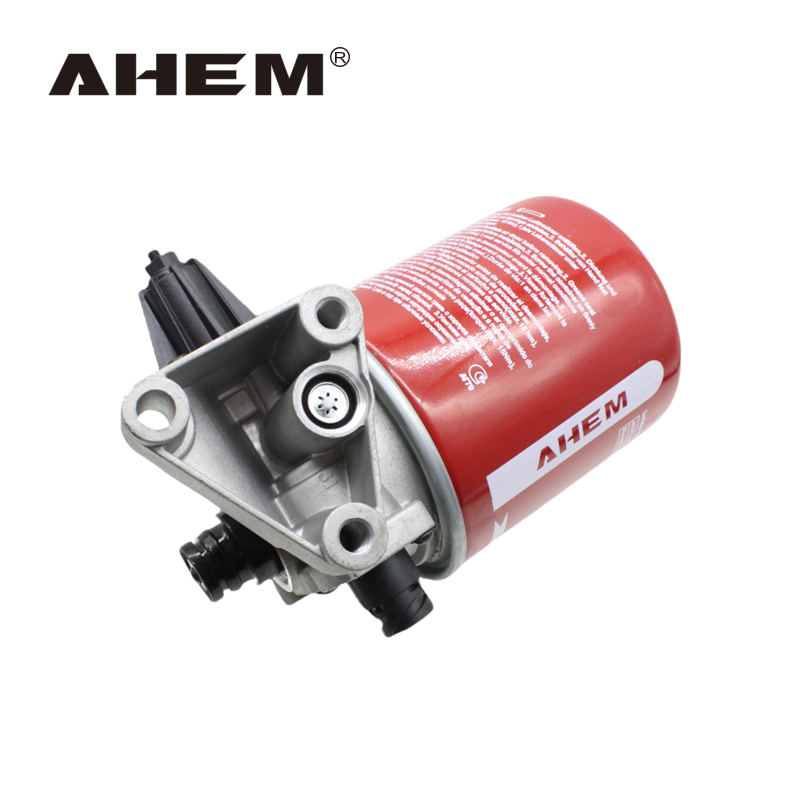
Moisture represents the biggest threat to pneumatic systems. The compressor naturally produces condensation as it compresses ambient air. It also passes trace amounts of oil aerosol. The Air Dryer efficiently removes this oil and moisture before it reaches the primary storage tanks.
Inside the dryer, a desiccant cartridge absorbs water vapor. If oil coats this desiccant material, it permanently loses its ability to absorb moisture. Water then floods the system. In winter conditions, this water freezes inside lines and valves, causing sudden brake failures.
Decision Point: Establish a rigid interval for replacing desiccant cartridges. Do not wait for water to appear in the air tanks. Base your replacement schedule on vocational duty cycles. For example, a city refuse truck cycles its brakes constantly and needs replacement every six months. A long-haul highway tractor might only need an annual replacement right before winter begins.
A heavy-duty combination vehicle requires safeguards against trailer separation. The tractor Protection Valve fulfills this critical safety role. It isolates the tractor's air supply if the trailer breaks away or suffers a catastrophic hose rupture.
When a trailer emergency line severs, air dumps rapidly. Without this safety device, the tractor would lose all its air, leaving the driver without steering assistance or service brakes. The valve automatically closes the lines heading to the trailer, preserving enough pressure to stop the tractor safely.
Testing Standard: You must verify the automatic pop-out function regularly. Start the truck, build full air pressure, and then shut the engine off. Chock the wheels. Slowly pump the service brake pedal to fan down the air pressure. Watch the dashboard gauge carefully. The dash control valve must automatically pop out when system pressure drops to a specific threshold. This usually happens between 20 and 45 PSI. If it fails to pop out within this range, you must replace the component immediately.
Drivers interact with the pneumatic system primarily through two controls. The Foot Brake Valve, often called the treadle valve, controls the primary service brakes. Over time, dirt and cab debris accumulate under the plunger. This debris restricts pedal travel.
Corrosion also attacks the internal delivery and exhaust ports. You must evaluate pedal feel during every maintenance cycle. A driver should never experience a spongy pedal or a delayed response. Response lag directly increases stopping distance, endangering everyone on the road.
The Hand Brake Valve, or trailer control valve, handles manual trailer actuation. Drivers use it to test independent trailer braking effectiveness during coupling. Maintenance involves checking the handle for smooth operation. You must also check for pneumatic backflow. Air should never leak from the exhaust port of the hand valve when the foot pedal is applied. Cross-leakage indicates internal seal failure.
Every maintenance cycle must include an applied leakage test. This test quantifies system integrity. Do not rely solely on your ears to find leaks in a loud shop environment. Follow this standardized procedure:
Park the vehicle on level ground and securely chock the wheels.
Start the engine and build pressure until the compressor cuts out (typically around 120-130 PSI).
Turn off the engine. Release the tractor and trailer parking brakes.
Press and hold the service brake pedal firmly. Wait for the initial pressure drop to stabilize.
Once stable, watch the primary and secondary air gauges for exactly one minute.
For a single vehicle (like a straight truck), the pressure drop must not exceed 3 PSI per minute. For a combination vehicle (tractor and trailer), the drop must not exceed 4 PSI per minute. If the drop exceeds these limits, you must locate and repair the leaks before dispatching the truck.
Brake stroke length directly determines stopping power. You must verify that automatic slack adjusters function correctly. Technicians should measure the pushrod stroke manually using a ruler. Mark the pushrod where it exits the brake chamber. Apply the brakes fully, then measure the distance the mark moved.
Compare this measurement against the specific chamber size limits. Common Mistake: Technicians often manually turn the adjusting nut on an automatic slack adjuster to shorten the stroke. This is a dangerous practice. Manual adjustment temporarily masks the underlying mechanical failure. If an automatic slack adjuster goes out of adjustment, it means the internal clutch mechanism has failed. You must replace the unit, not adjust it.
Visual inspections remain a vital layer of defense. Technicians must slide under the chassis and inspect all nylon air lines. Look for chafing where lines rub against the frame rails. A rubbed line will eventually blow out under pressure.
Inspect the glad hands at the rear of the cab. The rubber seals degrade rapidly due to UV exposure and constant coupling. Replace cracked seals immediately. Finally, listen closely during the compressor cut-out and cut-in cycles. Listen at the primary and secondary reservoir exhaust ports. A continuous hiss indicates a failing internal check valve.
Fleet managers constantly balance labor constraints against vehicle uptime. You must decide which repairs belong in your shop and which require specialized external help. Making the wrong choice leads to extended downtime or dangerous repair mistakes.
Keep routine preventive tasks inside your own facility. Your technicians should comfortably handle glad hand seal replacements and daily visual inspections. Draining moisture from air tanks is a simple task that extends system life. Swapping out desiccant filters requires minimal tools and provides high returns on labor investment.
Outsource complex jobs that demand specialized diagnostic equipment. Major foundation overhauls involving heavy drums and shoes often slow down a lean internal shop. You should also outsource ABS and EBS module software diagnostics. These electronic systems require expensive, frequently updated proprietary software. Complex control valve replacements, especially those integrated with electronic stability control manifolds, are best left to dedicated experts.
When you vet a heavy-duty repair facility, demand transparency. Do not just look at their hourly rate. Use the following criteria to evaluate their competence:
Certifications: Verify that their technicians hold active ASE certifications in heavy-duty air systems.
OEM Software Availability: Ask if they use genuine diagnostic software or generic aftermarket scanners. Generic scanners often miss proprietary fault codes.
Turnaround Guarantees: Discuss Service Level Agreements (SLAs). Ensure they stock common pneumatic components to avoid waiting days for shipping.
Task Type | Best Handled By | Required Equipment |
|---|---|---|
Filter Swaps & Glad Hands | In-House | Basic Hand Tools |
Leak-Down & Stroke Tests | In-House | Ruler, Chocks, Watch |
ABS/EBS Software Diagnostics | Outsourced | OEM Laptop Scanners |
Manifold & Relay Replacements | Outsourced | System Pressure Gauges |
Navigating the parts procurement process requires strict attention to engineering details. You will encounter thousands of aftermarket replacement options. Many look identical to factory equipment. However, internal construction dictates survival. Heavy-duty pneumatic circuits endure massive pressure loads, frequent temperature swings, and severe vibrations.
Sub-standard aftermarket parts often use inferior rubber O-rings and weak return springs. These cheap components harden in winter cold and disintegrate in summer heat. When internal O-rings fail, they create massive internal leaks. A sudden valve failure under heavy braking pressure puts the driver in severe danger. Always inspect the casting quality and weight of a replacement part before installation.
Fleets must prioritize vendors that offer clear, verifiable warranty terms. Traceability protects your business. If a newly installed part causes an accident, you need documented proof of its origin. Seek suppliers who provide detailed specification sheets for their hardware.
Verify that your chosen replacement parts comply fully with Federal Motor Vehicle Safety Standard (FMVSS) 121. This federal standard dictates the precise timing and release requirements for heavy-duty braking systems. Compliant valves ensure the tractor and trailer brakes apply and release in synchronized harmony. Non-compliant parts disrupt this timing. They cause trailer push, wheel lockup, and aggressive tire wear. Stick to reputable distributors who understand regulatory compliance.
A fully functional pneumatic system relies on the interconnected health of all its components. You cannot isolate a compressor problem from a valve issue. Dirt, moisture, and neglect spread rapidly through the air lines. Control valves, dryers, and compressors must work in perfect harmony to ensure safe stopping distances.
We recommend the following action steps to secure your fleet:
Audit your current preventive maintenance schedules against the standardized SOPs outlined above.
Train your technicians to measure pushrod stroke manually instead of adjusting auto slacks.
Establish strict, calendar-based replacement intervals for your desiccant cartridges.
Mandate a timed leak-down test during every B-service or C-service interval.
Stop reacting to roadside breakdowns. Take control of your maintenance program today. Schedule a comprehensive diagnostic test for your highest-mileage units and update your parts procurement strategy to prioritize compliance and safety.
A: Drivers must perform basic visual and auditory checks daily during pre-trip inspections. However, technicians should conduct intensive preventive maintenance, including timed leak-down tests and stroke measurements, every 90 days or during scheduled quarterly service intervals. Comprehensive teardowns and component replacements usually occur annually.
A: The most obvious sign is visible water accumulation in the primary air tanks when you pull the drain lanyards. You may also notice sluggish valve operation in cold weather or excessive oil residue pooling around the dryer's exhaust purge valve.
A: A failure to pop out usually indicates severe internal blockages, a broken return spring, or a failure within the dashboard valve manifold itself. Air pressure gets trapped behind the plunger. You must replace the defective valve assembly immediately, as it cannot be safely rebuilt in the field.
A: No. You should never manually adjust an automatic slack adjuster to correct an out-of-stroke condition. Doing so masks the underlying internal clutch failure. It provides a false sense of security. If it is out of adjustment, the internal mechanism is broken, and you must replace the entire unit.
